




How we are using AI
Lernberger Stafsing continuously works to develop how we present our products and communicate with you as customers. Part of this work involves using artificial intelligence (AI) in certain cases, for example in image production and in some text work on our website and in our marketing.
We want to be clear and transparent about when and how AI is used, and this page explains our approach.
How we use AI
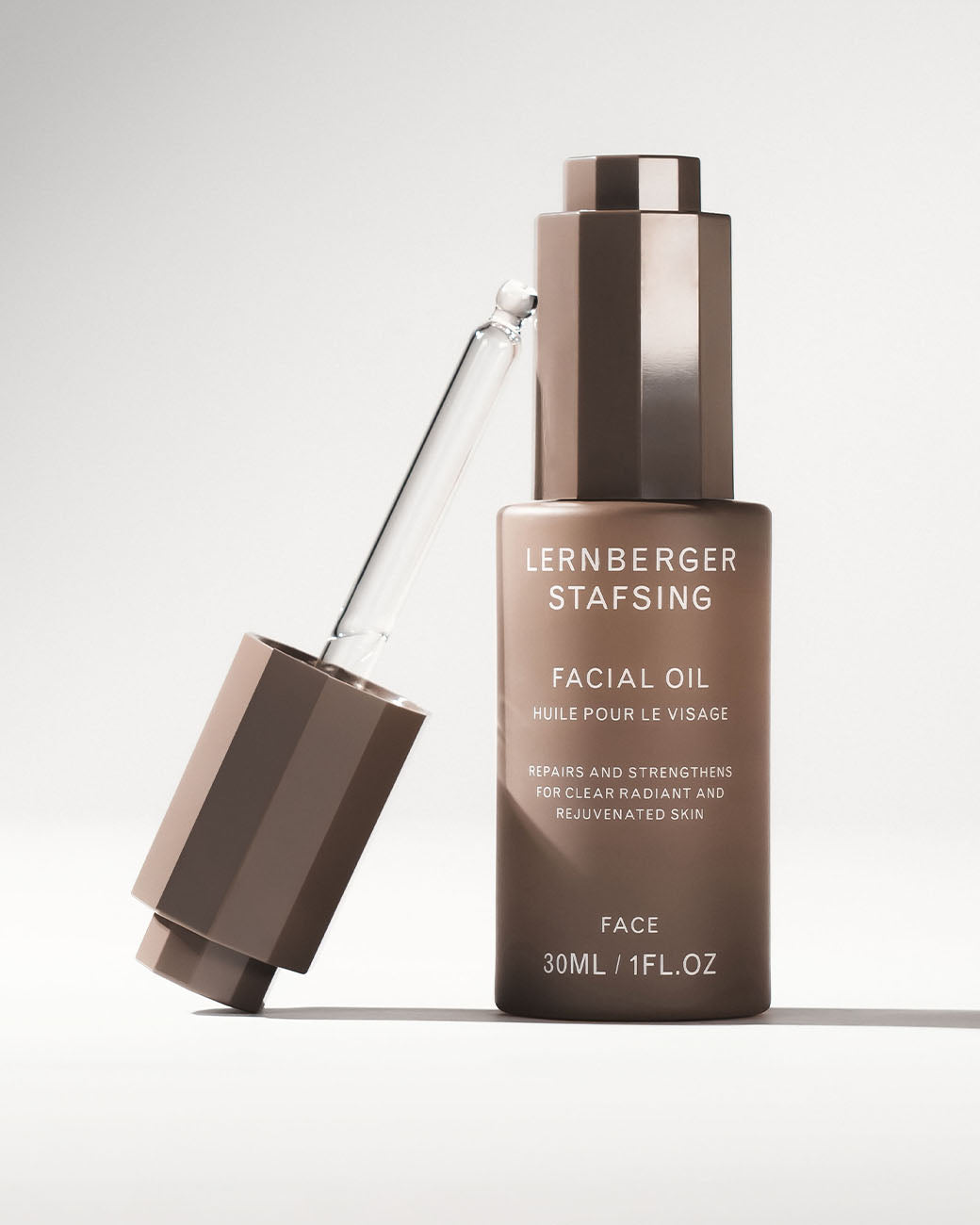
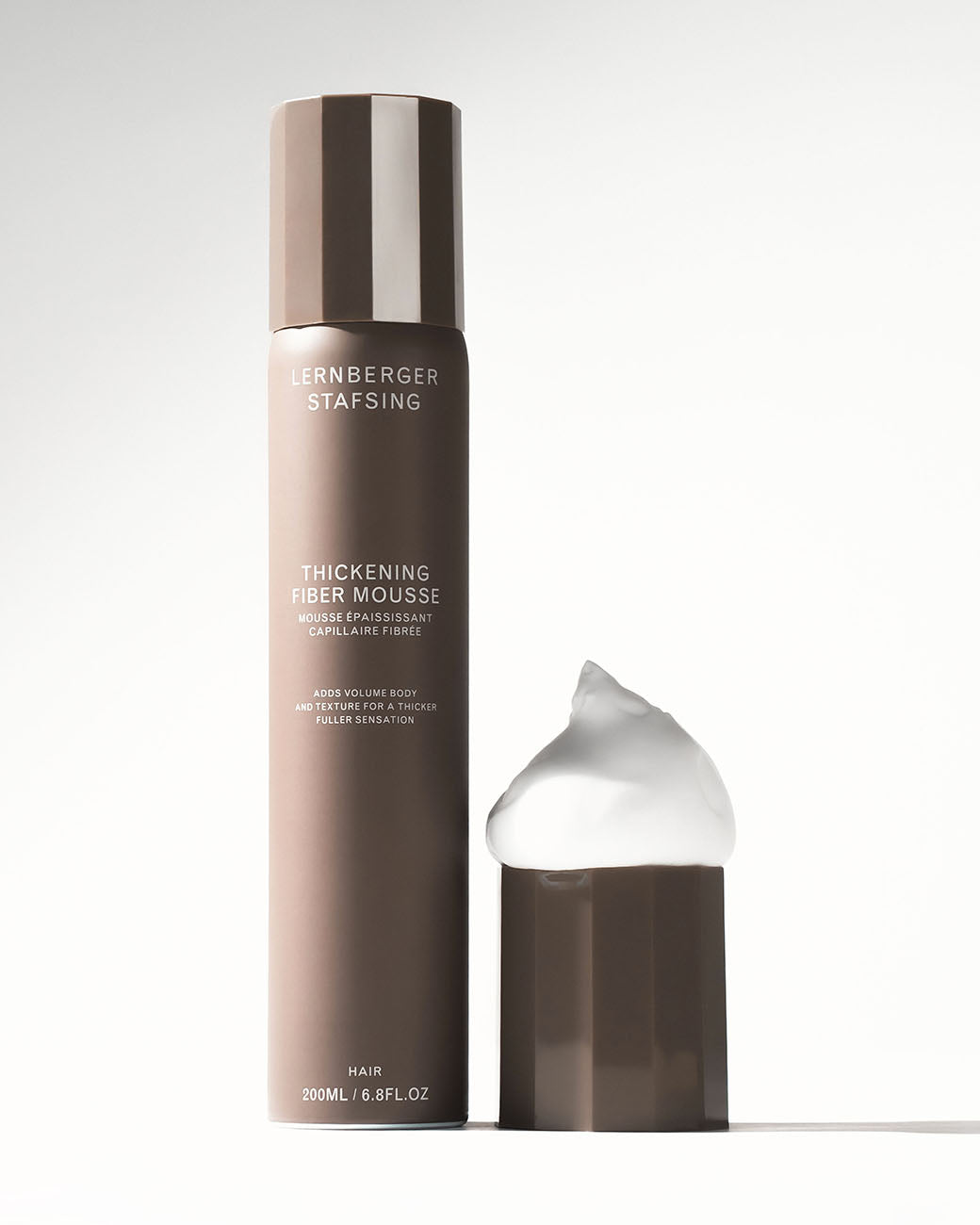
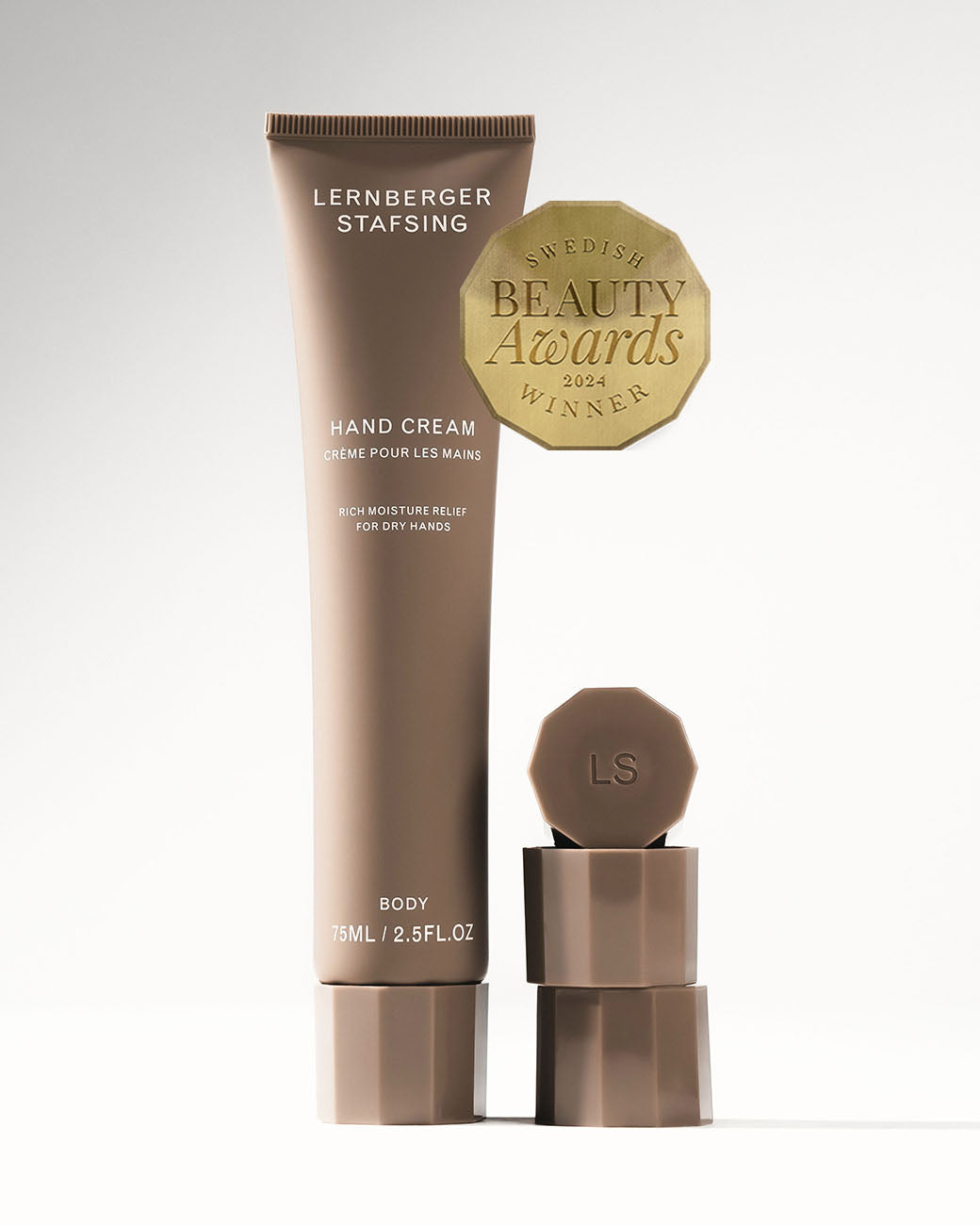
Images. AI tools may in certain cases be used in our image production, for example to create or process campaign images, backgrounds and product visualisations, or to make minor adjustments to existing photographs. AI is not used to change how a product, or its results on skin or hair, actually looks or performs.
Text. AI tools may be used to support research, as drafts, or for language editing of text on our website, in our journal/blog, or in marketing material. All published content is always reviewed and approved by a member of our team before publication.
What we don't do. We do not use AI to give a misleading impression of a product's effect or properties, or to create comparisons (such as before/after images) that do not reflect a genuine result. AI-processed imagery never replaces a truthful description of the product.
How we label AI material
When an image is wholly or partly generated by AI, or edited in a way that materially changes how a person, skin, or hair result is portrayed, we indicate this next to the image — for example with the text "AI-generated image" or "This image has been digitally edited".
The same applies to text that is substantially AI-generated and relates to matters of public interest, in line with the EU AI Act.
If you have questions about a specific image or text, you are always welcome to contact us.
Regulatory framework behind our approach
There is currently no law in Sweden that specifically requires labelling of AI-edited or retouched images in advertising — but several rules govern how we may use AI in our marketing and communication:
EU AI Act (Regulation (EU) 2024/1689), Article 50 — sets out transparency obligations for AI-generated and AI-manipulated content. Among other things, so-called deepfakes (AI-generated or manipulated image, audio or video content that could be mistaken for genuine content) must be clearly disclosed as artificially created, and AI-generated text on matters of public interest must be labelled if published without human or editorial review. The strict transparency requirements have applied since 2 August 2026.
The Swedish Marketing Act (Marknadsföringslagen, 2008:486) — prohibits misleading marketing and requires marketing to comply with good marketing practice. Image or text material (AI-generated or not) that gives a false impression of a product's properties or effect may be considered unfair.
The ICC Code of Advertising and Marketing Communication Practice — the Swedish Advertising Ombudsman (Reklamombudsmannen), the industry's self-regulatory body, reviews reported advertising against, among other things, the requirement for social and professional responsibility. Advertising judged to promote an unhealthy or misleading body ideal can be upheld against, which is particularly relevant when editing images of skin, hair and body.
The Swedish Cosmetics, Toiletry and Detergent Association's (KoHF) Code of Conduct — the industry's guiding principles for responsible advertising and marketing communication for cosmetic products, which among other things concerns claims about product efficacy.
The Norwegian Marketing Control Act (markedsføringsloven) — has, since 2022, required that advertising in which a body's shape, size or skin has been altered through retouching or other manipulation (including with AI) be labelled with a standardised mark. This applies to advertising directed at consumers in Norway, which may become relevant to us when marketing and selling there.
The General Data Protection Regulation (GDPR) — where AI tools process personal data, for example in customer communication or personalised recommendations, this is done in accordance with our privacy policy.
This page is updated on an ongoing basis as regulations and practice evolve. Last updated: August 2026.
Do you have questions about our use of AI?
Contact us at contact@lernbergerstafsing.com
Heard about the brand
"In its ten years, the brand has positioned itself as the reference for affordable luxury"
— VOGUE SCANDINAVIA

"Scandinavian Beauty Brands Powered By Sustainable Innovation"
— FORBES

"10 Corso Como has welcomed Nordic culture with a showcase developed in collaboration with Copenhagen International Fashion Fair (CIFF)"
— WWD